The 51st Ooni of Ife · Arole Oduduwa, Olofin Adimula·Olojo Festival 2026 · Sept 26–Oct 5, Ile-Ife, Osun State·RAYLF 2026: Inspiring the Next Generation of African Leaders·Decade of Peace & Progress · 10+ Years on the Throne of Oduduwa·House of Oduduwa Foundation · Empowering Communities Across Nigeria·The 51st Ooni of Ife · Arole Oduduwa, Olofin Adimula·Olojo Festival 2026 · Sept 26–Oct 5, Ile-Ife, Osun State·RAYLF 2026: Inspiring the Next Generation of African Leaders·Decade of Peace & Progress · 10+ Years on the Throne of Oduduwa·House of Oduduwa Foundation · Empowering Communities Across Nigeria
Living Heritage
Royal Artefacts
The sacred objects of Ile-Ife — spanning three millennia of Yoruba civilisation
Sacred Objects
Objects of
Living Power
The royal artefacts of Ile-Ife are among the most significant cultural treasures in human history. Created between 500 BCE and 1400 CE, they represent the artistic and spiritual achievements of a civilisation at its zenith — and continue to hold living sacred meaning for the Yoruba people today.
Many of these works were taken from Africa during the colonial era and now reside in European and American museums. His Imperial Majesty has been a vocal advocate for their repatriation, arguing that these objects carry spiritual power that belongs with the communities that created them.
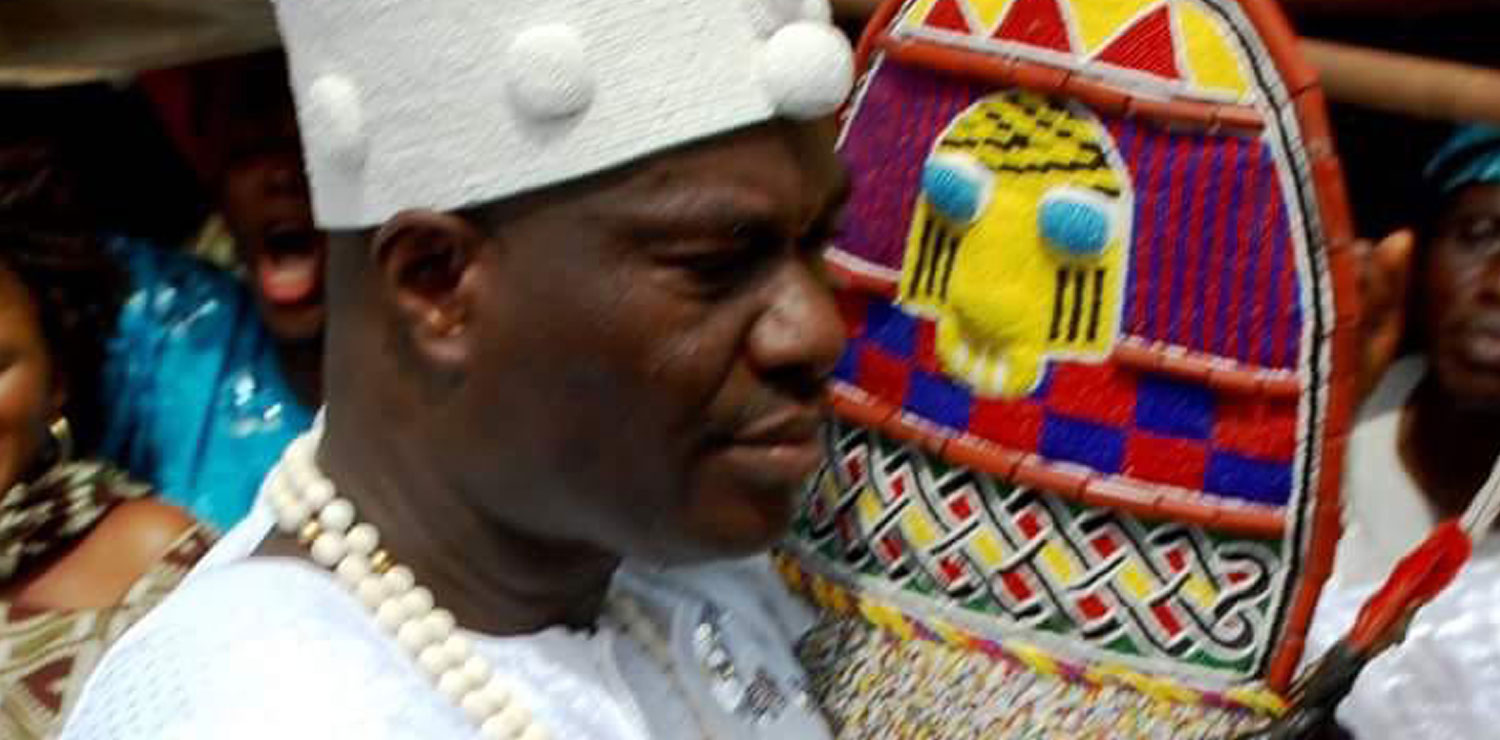
The Aare Crown
Worn only once a year · Olojo Festival · Ile-Ife
Palace Treasures
The Collection
Ancient — origin pre-dates written record
The Aare Crown
Ile Oodua Palace, Ile-Ife
The most sacred object in all of Yorubaland. Believed to have been worn by Oduduwa himself, the Aare Crown is brought out only once a year during the Olojo Festival. When the Ooni dons the crown, he is understood to embody the divine authority of Oduduwa and bless the Yoruba people for the year ahead.
1200 – 1400 CE
The Ife Bronze Heads
Ife Museum (Ile-Ife) · British Museum · Met Museum (New York)
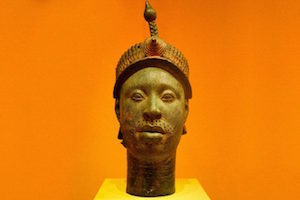
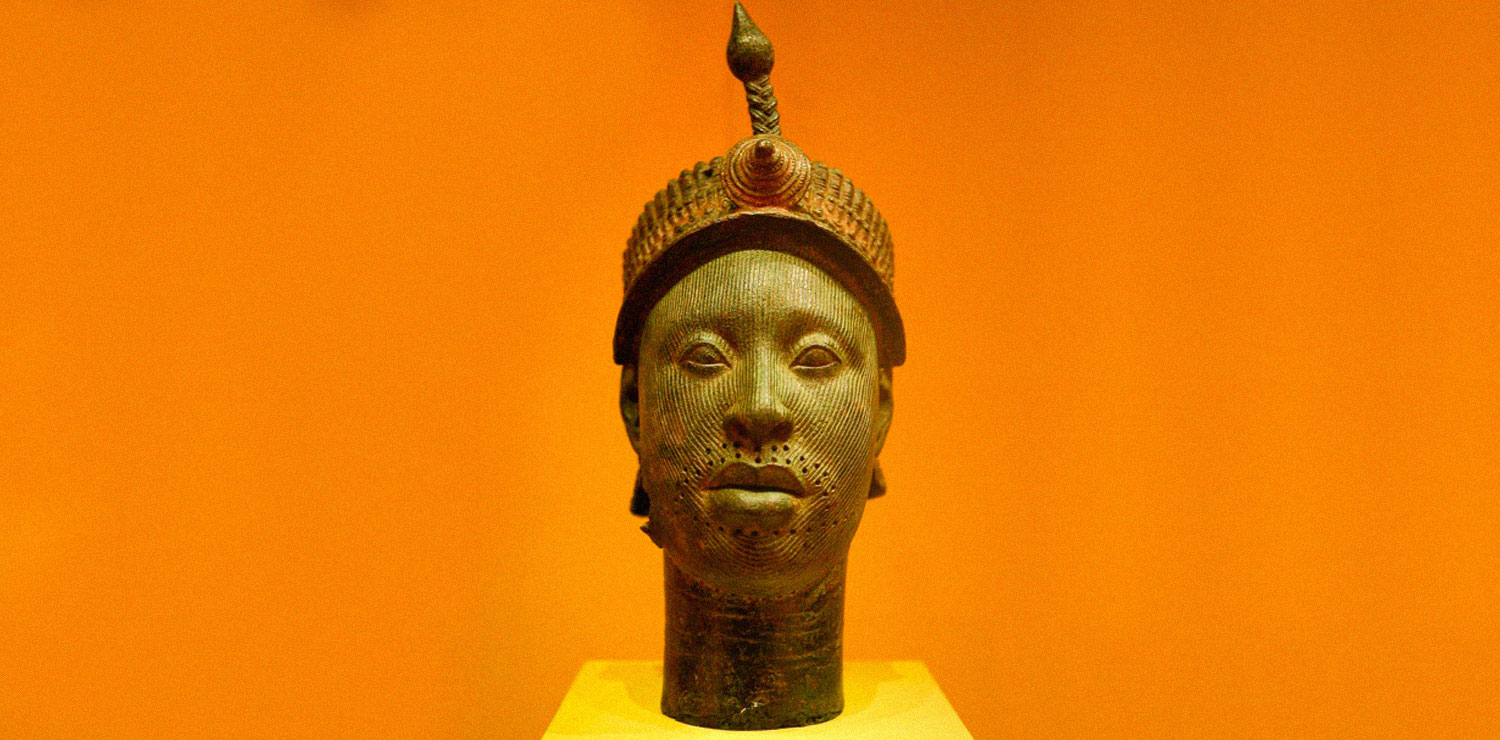
Cast using the lost-wax (cire perdue) technique, the Ife bronze heads represent the pinnacle of pre-modern African naturalistic sculpture. Each head depicts a royal figure with extraordinary anatomical precision. When German ethnologist Leo Frobenius encountered them in 1910, he declared they could not be African in origin — a reaction that itself became a landmark moment in the debate over Africa's intellectual heritage.
c. 1100 – 1300 CE
The Oranmiyan Staff (Opá Oranmiyàn)
Sacred grove, Ile-Ife (in situ)
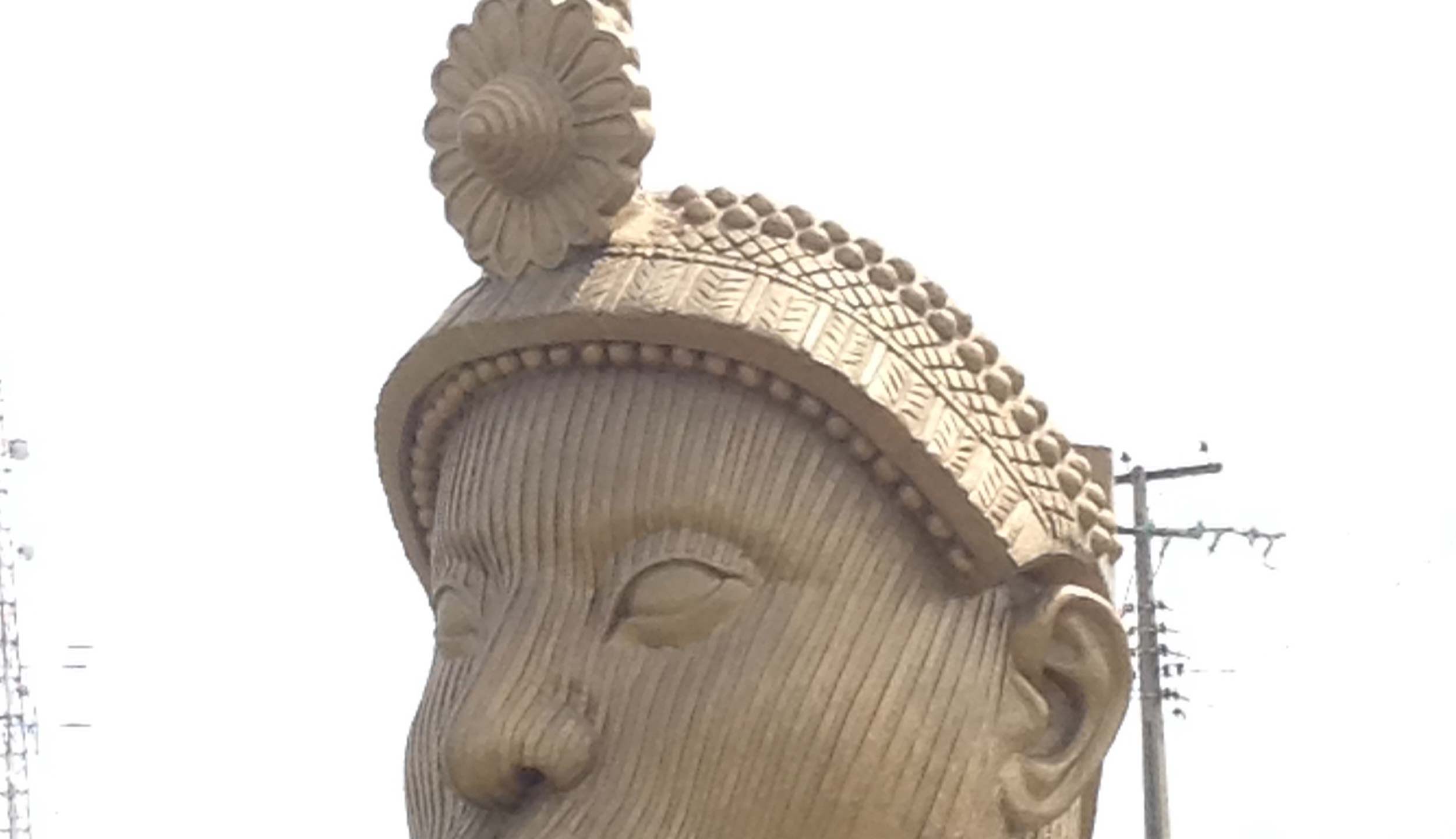
An 18-foot monolithic granite pillar standing in the sacred grove of Ile-Ife. Tradition holds it is the staff of Oranmiyan — son of Oduduwa and founder of the Oyo Empire and the Benin kingdom. Iron nails driven into its face are said to form a ritual pattern. It stands as one of the oldest monuments in sub-Saharan Africa still venerated in place.
500 BCE – 1000 CE
The Ife Terracotta Figures
Ife Museum · Various international collections
Predating the bronze heads by centuries, the terracotta figures of Ile-Ife demonstrate that the tradition of naturalistic royal portraiture stretches back well into the first millennium. Human and animal forms, fragmentary busts, and ritual vessels have been recovered from archaeological sites throughout the city.
Various — continuously renewed
Royal Regalia of the Ooni
Ile Oodua Palace, Ile-Ife
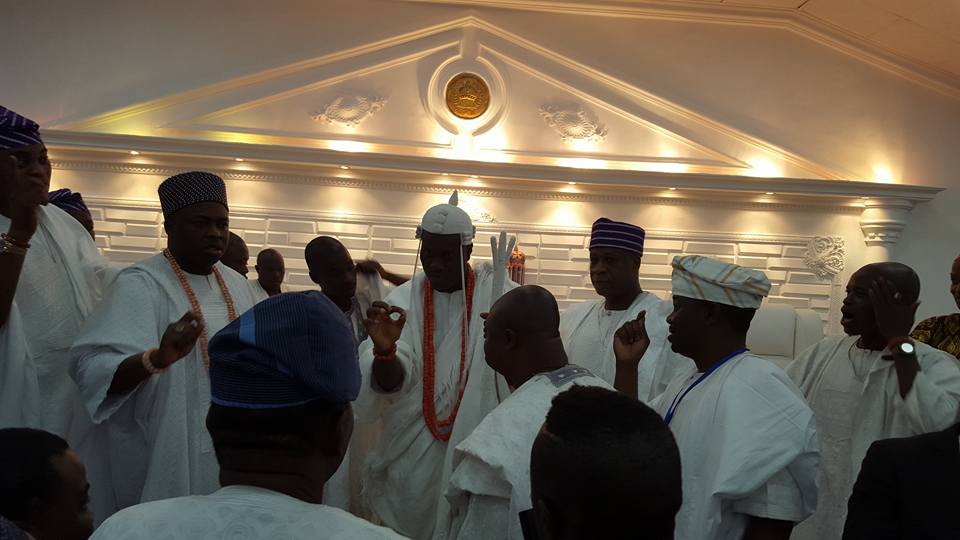
The Ooni's full ceremonial regalia includes the beaded crown (with veil to protect onlookers from divine power), the ase staff, the irukere (horse-tail whisk), ivory horns, and elaborate aso-oke robes. Each element carries specific spiritual and political meaning encoded over millennia of Yoruba kingship tradition.
The Ooni Speaks
The Case for Repatriation
His Imperial Majesty has consistently called for the return of Yoruba sacred objects from Western institutions. Unlike secular art objects, the bronzes and regalia of Ile-Ife are not merely historical artifacts — they are living ritual objects whose spiritual efficacy, in Yoruba belief, requires their presence in the community that created and sustains them. The Ife Museum (established 1954) and the growing cultural infrastructure of Osun State stand ready to steward these works with international standards of care.
“
These objects do not belong in glass cases in foreign museums. They belong with the communities that gave them life and still draw power from them.
His Imperial Majesty Ooni Adeyeye Enitan Ogunwusi