Music of the Palace
& Tradition
The Living Voice of Yoruba Culture
Music as
Sacred Language
Music is inseparable from Yoruba royalty. Every ceremony, festival, and royal procession is accompanied by the sacred sounds of the dundun talking drum, the sekere rattle, bata drums, and the agogo bell — each with its own language, ritual role, and spiritual meaning.
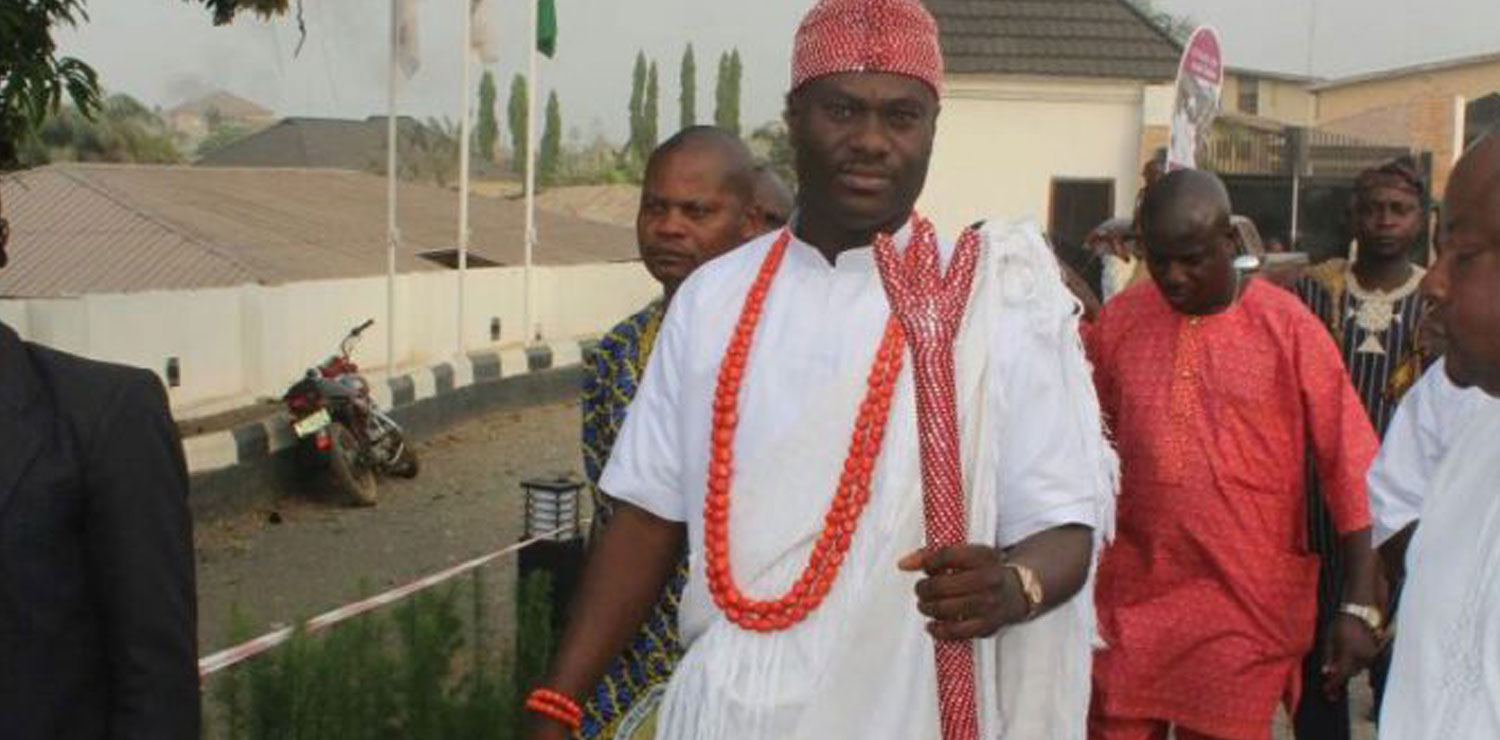
His Imperial Majesty Ooni Adeyeye Ogunwusi has been a lifelong patron of Yoruba musical heritage, commissioning new compositions, preserving endangered oral traditions, and using music as a vehicle for Pan-African cultural diplomacy around the world.
Oral compositions sung directly to the Ooni, recounting his lineage, titles, deeds, and divine attributes. Every Yoruba royal house maintains griots (arokini) who carry these genealogies in memory.
Sacred chants performed during Egungun masquerade ceremonies to communicate with ancestral spirits. Ile-Ife maintains some of the oldest and most complex Egungun traditions in Yorubaland.
Modern Yoruba popular genres with deep roots in palace music. Juju, pioneered by I.K. Dairo and popularised globally by King Sunny Ade, incorporates the talking drum tradition into contemporary song.
Unique compositions performed only during the installation of a new Ooni — including the sounding of sacred royal horns (ipepe) heard nowhere else in the world.
Sacred Instruments


From Yorubaland to the World
The musical traditions of Ile-Ife did not stay in Nigeria. Enslaved Yoruba people carried the bata drum, the sekere, and the oriki praise tradition across the Atlantic — seeding the sacred music of Cuban Lucumí, Haitian Vodou, Brazilian Candomblé, and Trinidad Shango. The rhythms heard at Olojo Festival echo in New Orleans jazz, in Afrobeats, and in the global resonance of the Yoruba spiritual world.
His Imperial Majesty's visits to Brazil — walking the same ground where the diaspora preserved these traditions for centuries — are not merely diplomatic. They are a homecoming.